
Wood species
Sweet Gum
Liquidambar styraciflua · Altingiaceae
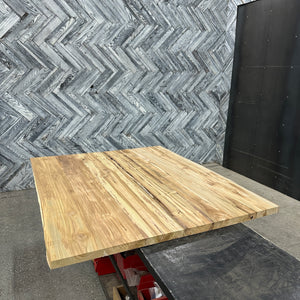
Two woods in one slab: pale sap gum and reddish brown red gum, with a satin sheen that once sold it as satin walnut. Only older mature trees carry the darker heartwood.
- Janka hardness
- 850 lbf
- Shrinkage T / R
- 10.2 / 5.3 %
- Origin
- Southeastern United States
- IUCN Red List
- Least Concern

About Sweet Gum
Working & finishing
Generally easy to work, but planing can tear out on the interlocked grain, so the flattening pass is light and the surface is finished on the drum sander. Turns, glues, stains and finishes well and steam bends moderately well. Sweet gum warps and distorts badly in its first drying and still moves appreciably in service, so it is flattened only after the kiln. A hardwax oil brings up the satin luster; a film finish suits a top that needs spill protection.
Care
Wipe spills promptly and clean with a damp cloth. Expect more seasonal width movement than oak or walnut and keep the top on a base that lets it move. Indoor use only; the sapwood is perishable and the heartwood is not decay resistant.
In stock now
Sweet Gum slabs, tabletops & cookies
7 pieces in stock at our shop in Zebulon, NC.


Other woods we stock
Browse by species
-
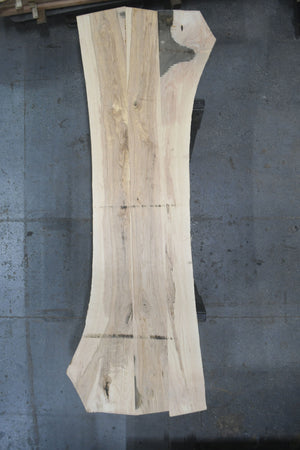 Ash15 in stock
-
 Basswood1 in stock
-
 California Redwood4 in stock
-
 Cedar7 in stock
-
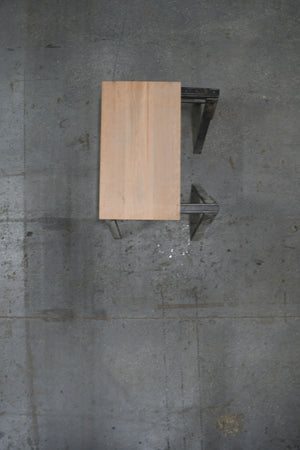 Cherry8 in stock
-
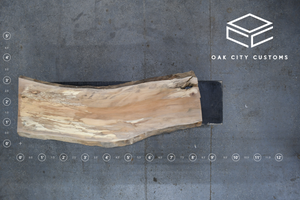 Copper Beech2 in stock
-
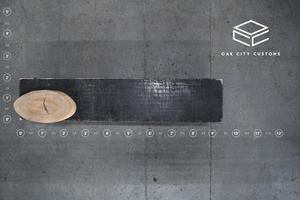 Cumaru1 in stock
-
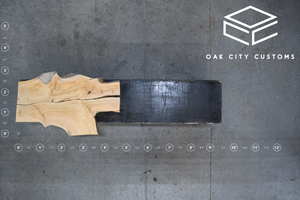 Cypress1 in stock
-
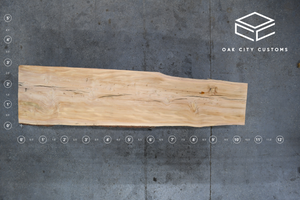 Deodar Cedar5 in stock
-
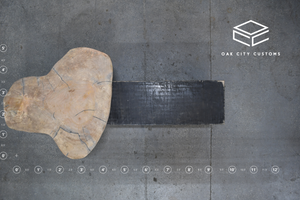 Espavel3 in stock
-
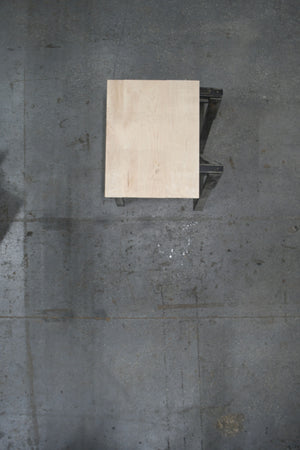 Hard Maple10 in stock
-
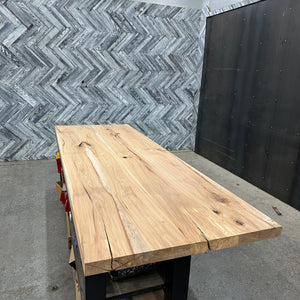 Hickory4 in stock
-
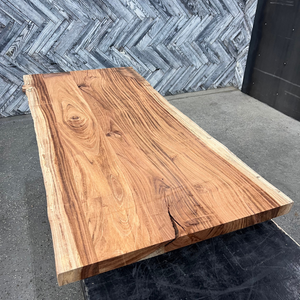 Jatoba (Brazilian Cherry)8 in stock
-
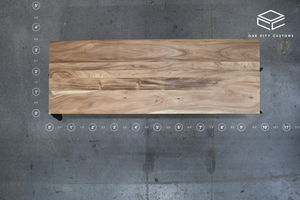 Monkey Pod3 in stock
-
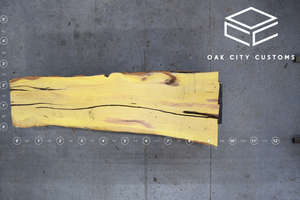 Osage3 in stock
-
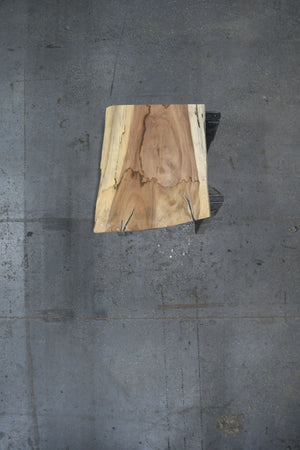 Parota4 in stock
-
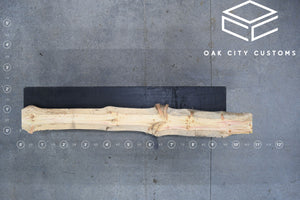 Pine1 in stock
-
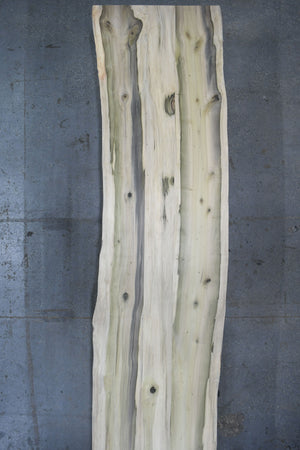 Poplar29 in stock
-
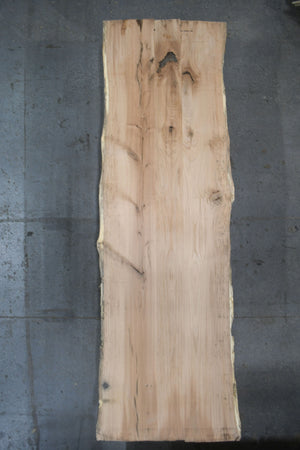 Red Oak74 in stock
-
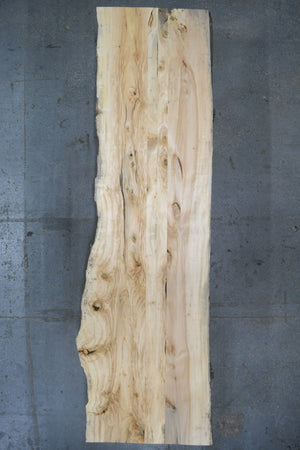 Rustic Hardwood1 in stock
-
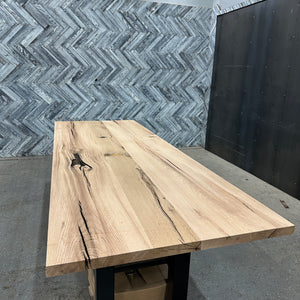 Rustic Oak3 in stock
-
 Sapele3 in stock
-
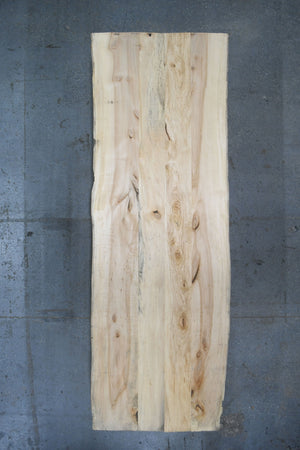 Soft Maple24 in stock
-
 Sycamore12 in stock
-
 Teak2 in stock
-
 Walnut32 in stock
-
 White Oak145 in stock
Mechanical properties reference: The Wood Database. Slab measurements, weights and prices come from our own shop records.