
Wood species
Sapele
Entandrophragma cylindricum · Meliaceae
An economically important African hardwood in the mahogany family, bought for the ribbon stripe on quartersawn faces and often sold as a mahogany substitute. IUCN Vulnerable; say so when asked.
- Density
- 42.0 lb/ft³
- Shrinkage T / R
- 7.2 / 5.2 %
- Origin
- Tropical West and Central Africa
- IUCN Red List
- Vulnerable

About Sapele
Working & finishing
Interlocked grain tears out in planing and routing, so take a light final pass with sharp knives or finish the surface on the sander instead. Slight blunting effect on cutters. Stains dark on contact with wet iron; use coated or stainless fasteners. Turns, glues and finishes well; oil or hardwax deepens the red and brings up the ribbon stripe. Reported skin and respiratory irritant, so collect dust.
Care
Moderately to very durable heartwood, but a live edge slab with sapwood and epoxy fills is an indoor or covered piece. Expect the color to darken with age and light. Low T/R ratio means modest seasonal movement; wipe spills and refresh an oil finish yearly.
In stock now
Sapele slabs, tabletops & cookies
3 pieces in stock at our shop in Zebulon, NC.


Other woods we stock
Browse by species
-
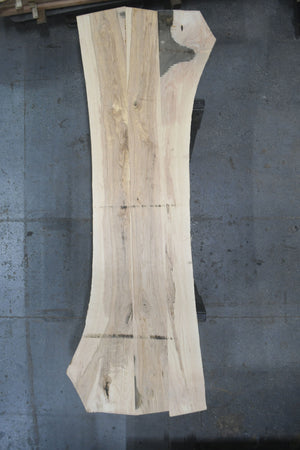 Ash15 in stock
-
 Basswood1 in stock
-
 California Redwood4 in stock
-
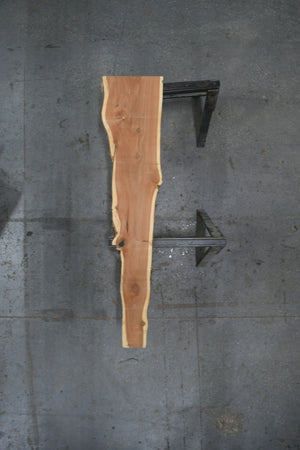 Cedar7 in stock
-
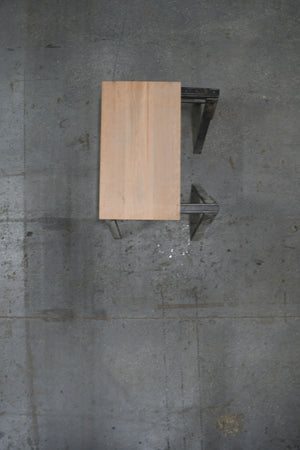 Cherry8 in stock
-
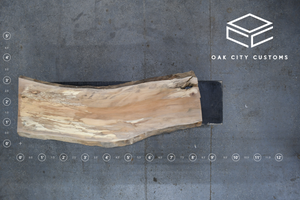 Copper Beech2 in stock
-
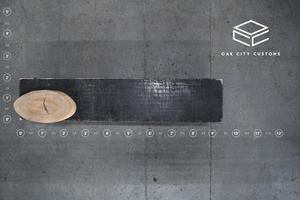 Cumaru1 in stock
-
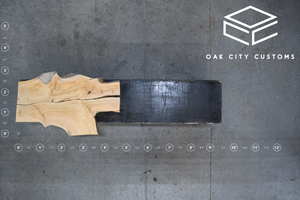 Cypress1 in stock
-
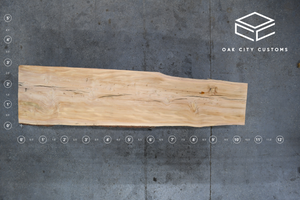 Deodar Cedar5 in stock
-
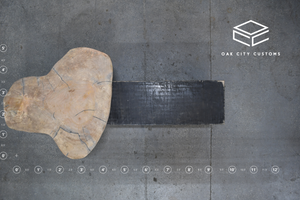 Espavel3 in stock
-
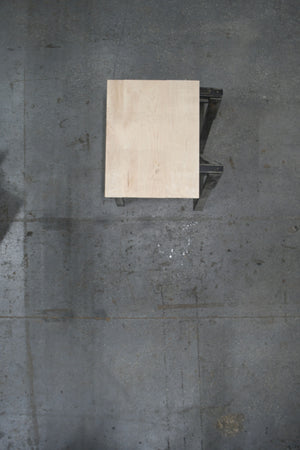 Hard Maple10 in stock
-
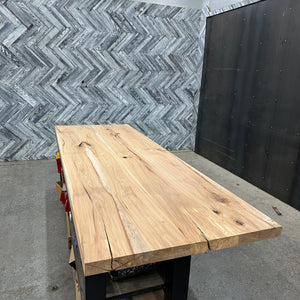 Hickory4 in stock
-
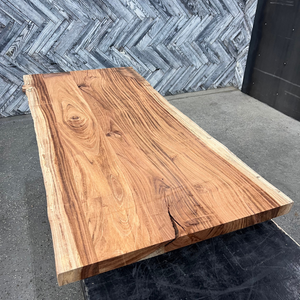 Jatoba (Brazilian Cherry)8 in stock
-
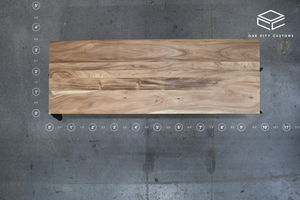 Monkey Pod3 in stock
-
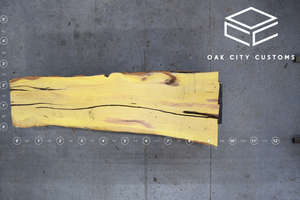 Osage3 in stock
-
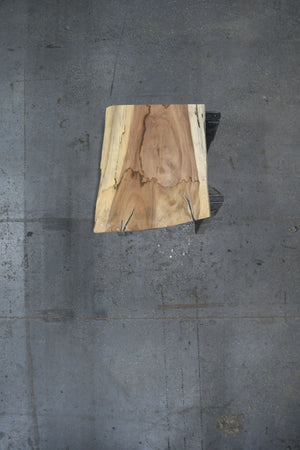 Parota4 in stock
-
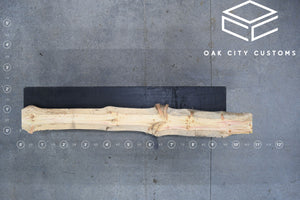 Pine1 in stock
-
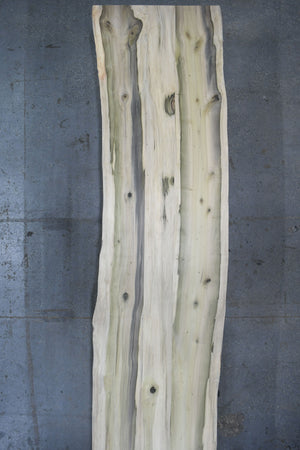 Poplar29 in stock
-
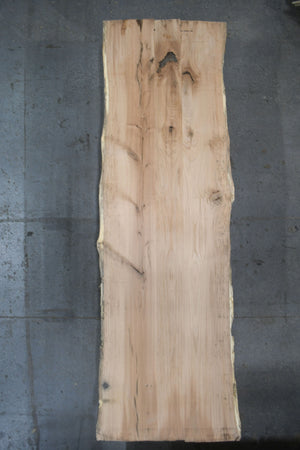 Red Oak74 in stock
-
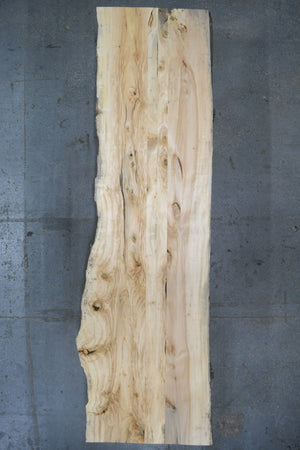 Rustic Hardwood1 in stock
-
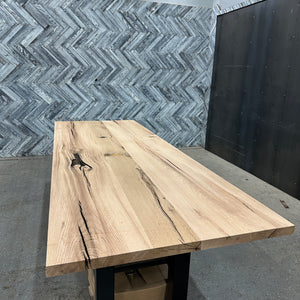 Rustic Oak3 in stock
-
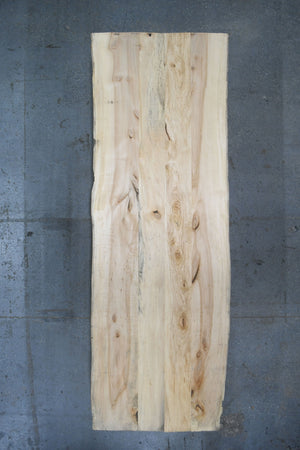 Soft Maple24 in stock
-
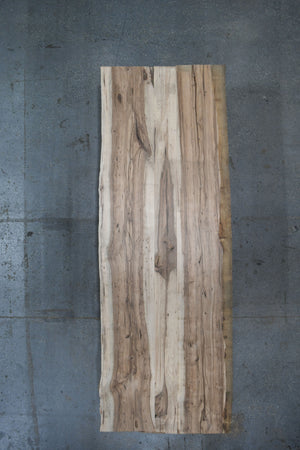 Sweet Gum7 in stock
-
 Sycamore12 in stock
-
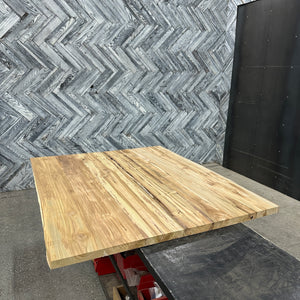 Teak2 in stock
-
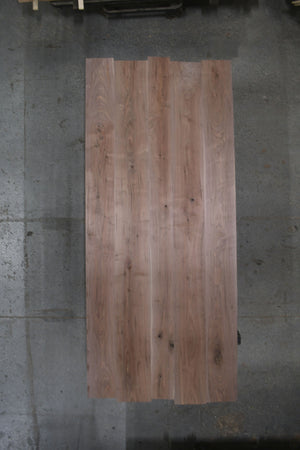 Walnut32 in stock
-
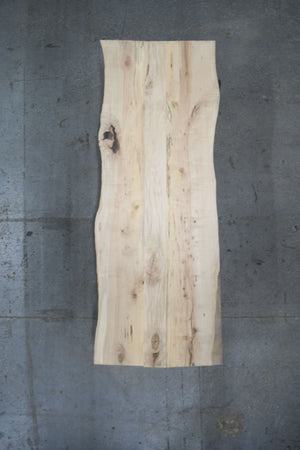 White Oak145 in stock
Mechanical properties reference: The Wood Database. Slab measurements, weights and prices come from our own shop records.