
Wood species
Cedar
Juniperus virginiana · Cupressaceae
Also sold as Eastern Red Cedar
Eastern Red Cedar is a juniper that has been called cedar since Pliny, and the wood everyone knows from a grandparent's chest. Small knotty trees, narrow slabs, and a scent that does not quit.
- Janka hardness
- 900 lbf
- Density
- 33.0 lb/ft³
- Shrinkage T / R
- 4.7 / 3.1 %
- Origin
- Eastern North America
- IUCN Red List
- Least Concern

About Cedar
Working & finishing
Easy to work overall, though the high silica content dulls cutters, so the shop sharpens before the final planer pass and changes sander paper more often than on poplar. Glues and finishes well. A clear oil or hardwax keeps the red-and-cream contrast and lets the scent through; a film finish seals the scent in. Reported to cause skin and respiratory irritation in some people, so dust collection matters.
Care
Wipe spills and clean with a damp cloth. At 900 lbf it is a medium top but brittle at the knots, so avoid dropping hard objects on knot clusters. Rated excellent against decay and insects, so it can live outdoors, but any wood outside grays and moves without an annual oil.
In stock now
Cedar slabs, tabletops & cookies
7 pieces in stock at our shop in Zebulon, NC.


Other woods we stock
Browse by species
-
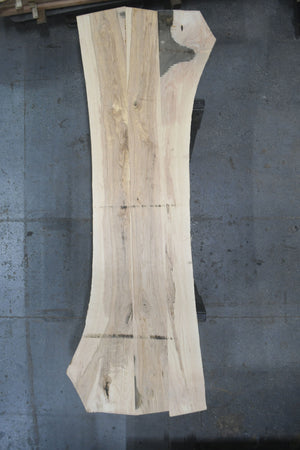 Ash15 in stock
-
 Basswood1 in stock
-
 California Redwood4 in stock
-
 Cherry8 in stock
-
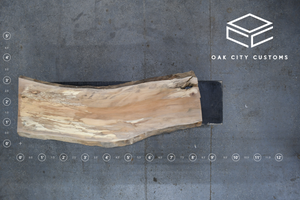 Copper Beech2 in stock
-
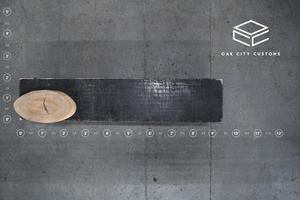 Cumaru1 in stock
-
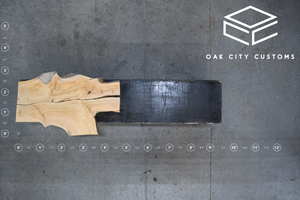 Cypress1 in stock
-
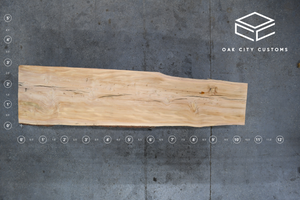 Deodar Cedar5 in stock
-
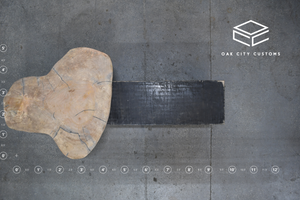 Espavel3 in stock
-
 Hard Maple10 in stock
-
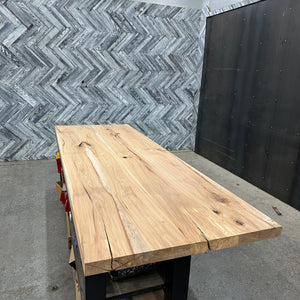 Hickory4 in stock
-
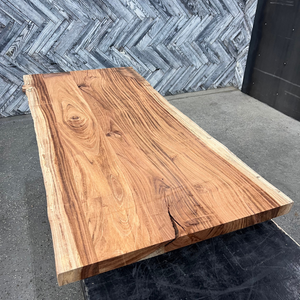 Jatoba (Brazilian Cherry)8 in stock
-
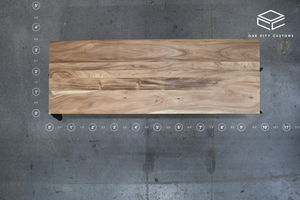 Monkey Pod3 in stock
-
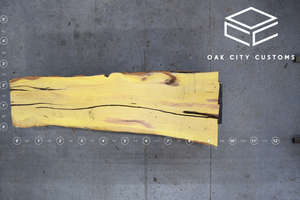 Osage3 in stock
-
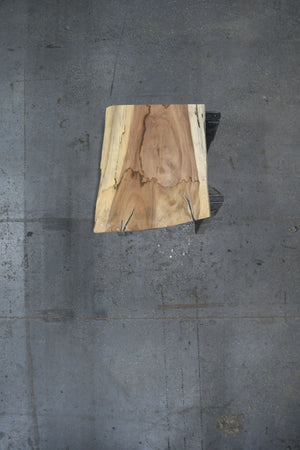 Parota4 in stock
-
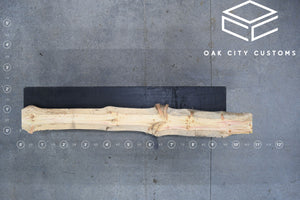 Pine1 in stock
-
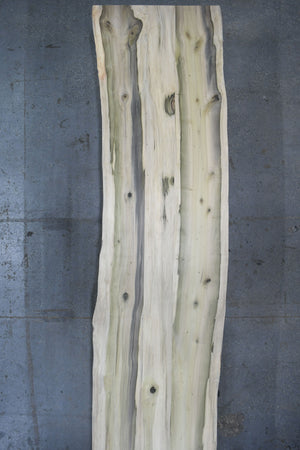 Poplar29 in stock
-
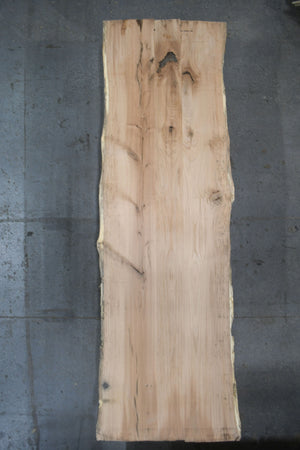 Red Oak74 in stock
-
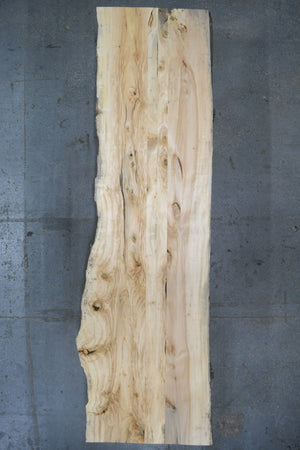 Rustic Hardwood1 in stock
-
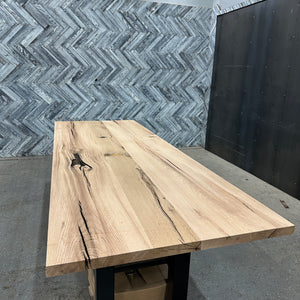 Rustic Oak3 in stock
-
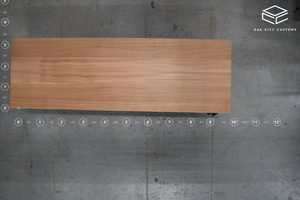 Sapele3 in stock
-
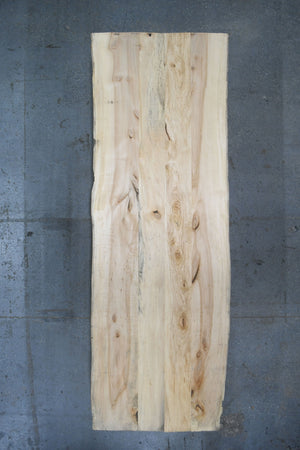 Soft Maple24 in stock
-
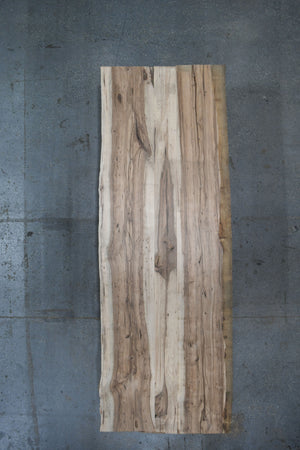 Sweet Gum7 in stock
-
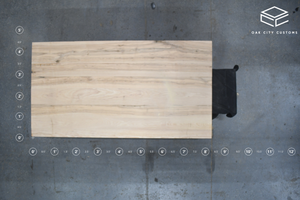 Sycamore12 in stock
-
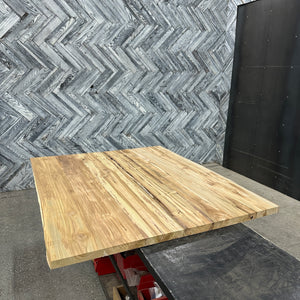 Teak2 in stock
-
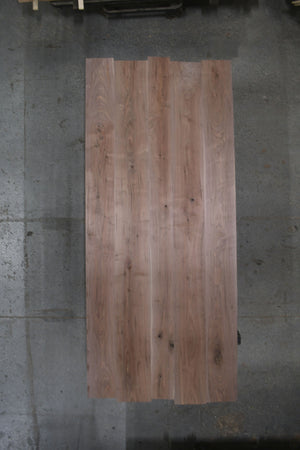 Walnut32 in stock
-
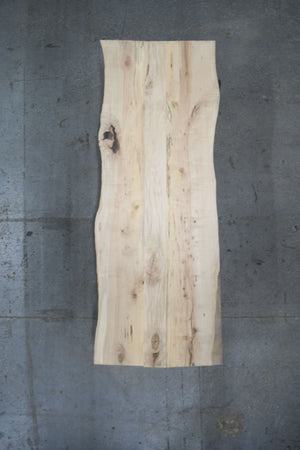 White Oak145 in stock
Mechanical properties reference: The Wood Database. Slab measurements, weights and prices come from our own shop records.