
Wood species
Poplar
Liriodendron tulipifera · Magnoliaceae
The paint-grade workhorse and the value pick, not a true poplar at all but Liriodendron, the tulip tree, whose 6 to 8 ft trunks are why poplar tops come so wide for the money.
- Janka hardness
- 540 lbf
- Density
- 29.0 lb/ft³
- Shrinkage T / R
- 8.2 / 4.6 %
- Origin
- Eastern United States
- IUCN Red List
- Least Concern

About Poplar
Working & finishing
Very easy to work in almost all regards; softness is its one real downside. Its low density can leave fuzzy surfaces and edges during shaping and sanding, so sand to finer grits for a smooth face. Poplar is paint-grade: it takes paint and dye well, and a clear finish will show the color darken with light. A film finish or paint hides seasonal hairline movement better than oil.
Care
Wipe spills promptly and clean with a damp cloth. Poplar dents under hard use, so use cutting boards and trivets and expect marks over time. Keep it indoors and out of wet service; touch up paint or film finish as wear shows.
In stock now
Poplar slabs, tabletops & cookies
29 pieces in stock at our shop in Zebulon, NC.


Other woods we stock
Browse by species
-
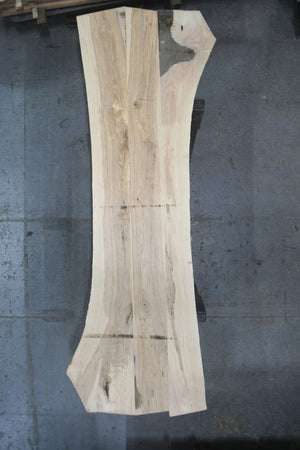 Ash15 in stock
-
 Basswood1 in stock
-
 California Redwood4 in stock
-
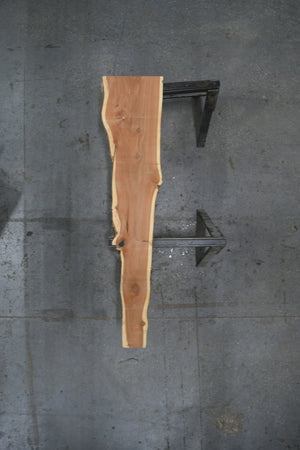 Cedar7 in stock
-
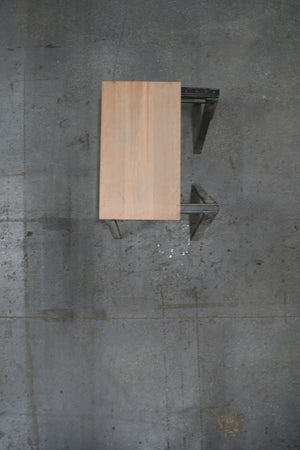 Cherry8 in stock
-
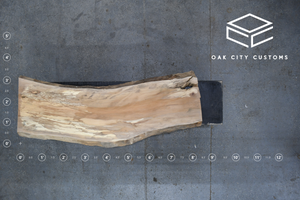 Copper Beech2 in stock
-
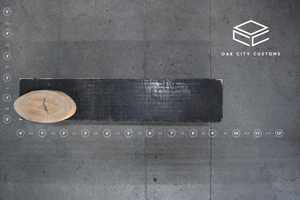 Cumaru1 in stock
-
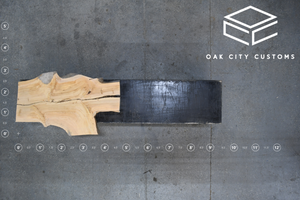 Cypress1 in stock
-
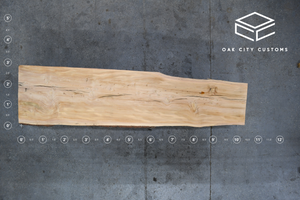 Deodar Cedar5 in stock
-
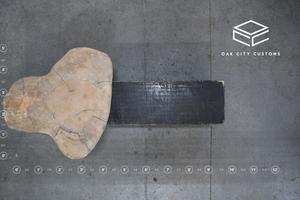 Espavel3 in stock
-
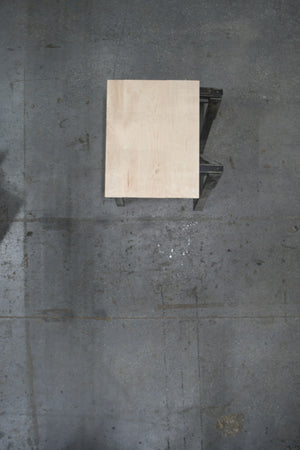 Hard Maple10 in stock
-
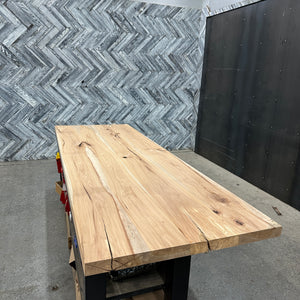 Hickory4 in stock
-
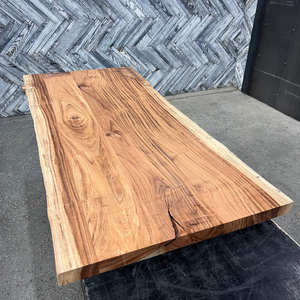 Jatoba (Brazilian Cherry)8 in stock
-
 Monkey Pod3 in stock
-
 Osage3 in stock
-
 Parota4 in stock
-
 Pine1 in stock
-
 Red Oak74 in stock
-
 Rustic Hardwood1 in stock
-
 Rustic Oak3 in stock
-
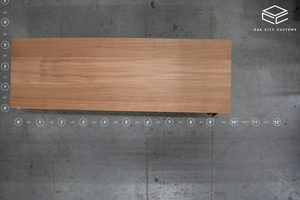 Sapele4 in stock
-
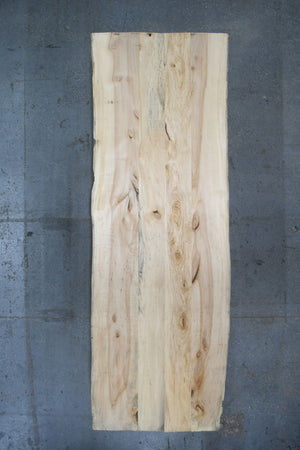 Soft Maple24 in stock
-
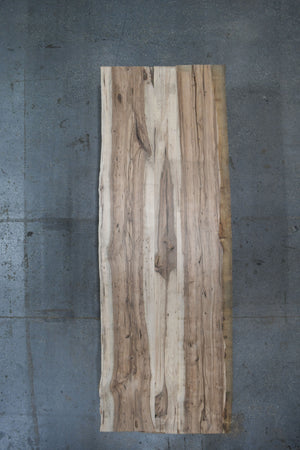 Sweet Gum7 in stock
-
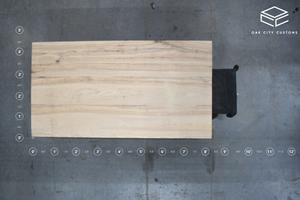 Sycamore12 in stock
-
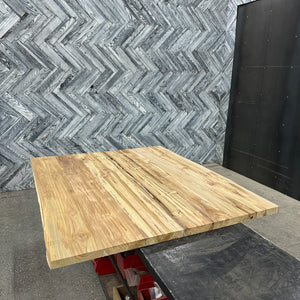 Teak2 in stock
-
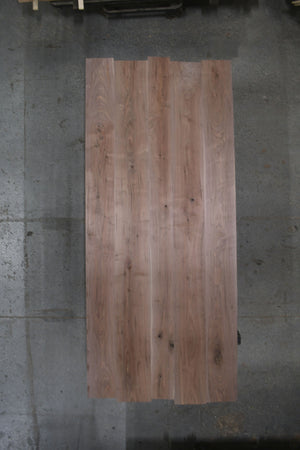 Walnut33 in stock
-
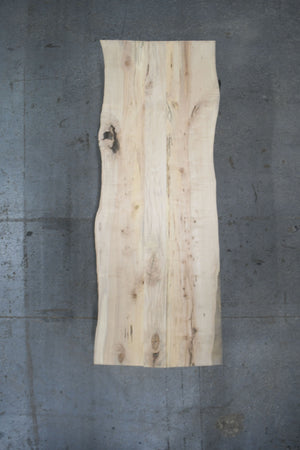 White Oak145 in stock
Mechanical properties reference: The Wood Database. Slab measurements, weights and prices come from our own shop records.