
Wood species
Deodar Cedar
Cedrus deodara · Pinaceae
A true Himalayan cedar that came to America as an ornamental before 1850. In North Carolina it is a yard and campus tree, so every deodar slab started as somebody's tree that came down: salvaged, not harvested.
- Density
- 34.0 lb/ft³
- Origin
- Western Himalaya (Afghanistan to Nepal); planted ornamental in the United States
- IUCN Red List
- Least Concern

About Deodar Cedar
Working & finishing
No deodar-specific workability data is published in the sources consulted. The related Cedar of Lebanon is easy to work with hand and machine tools and turns, glues and finishes well, and the shop treats deodar the same way: wipe the oily surface with mineral spirits before glue-up and before the first coat, keep fresh paper on the sander because pitch clogs it, and use a clear oil or hardwax on the pale wood. Cedar of Lebanon is reported to cause skin and respiratory irritation; assume the same.
Care
Wipe spills and clean with a damp cloth. Hardness is unpublished, so treat it as a soft top and use boards and trivets. Heartwood is rated very durable; sapwood is attacked by insects and fungi, so a slab with sapwood stays indoors or is finished and inspected.
In stock now
Deodar Cedar slabs, tabletops & cookies
5 pieces in stock at our shop in Zebulon, NC.


Other woods we stock
Browse by species
-
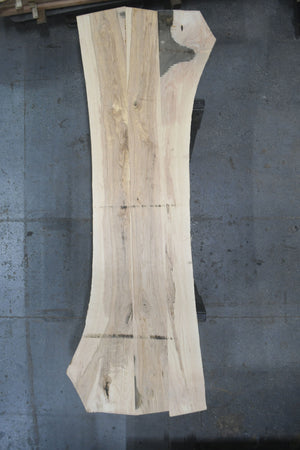 Ash15 in stock
-
 Basswood1 in stock
-
 California Redwood4 in stock
-
 Cedar7 in stock
-
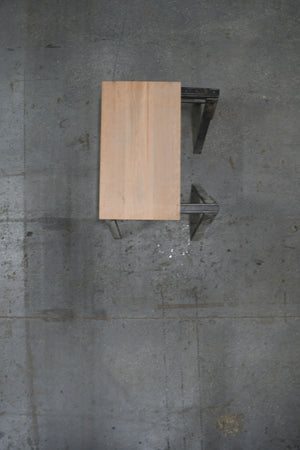 Cherry8 in stock
-
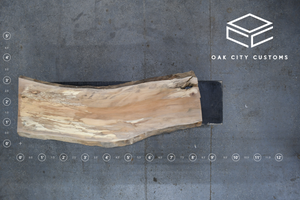 Copper Beech2 in stock
-
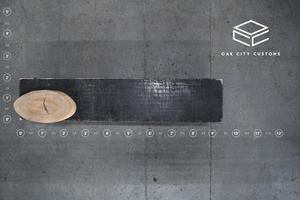 Cumaru1 in stock
-
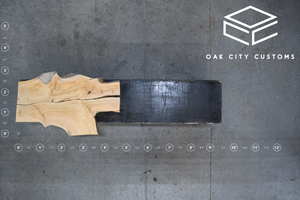 Cypress1 in stock
-
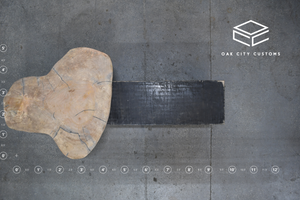 Espavel3 in stock
-
 Hard Maple10 in stock
-
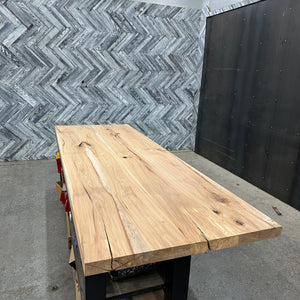 Hickory4 in stock
-
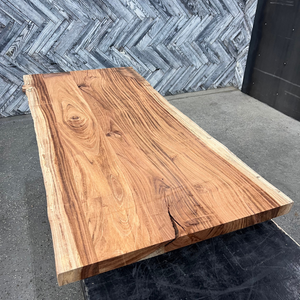 Jatoba (Brazilian Cherry)8 in stock
-
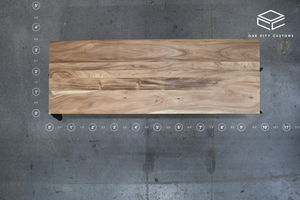 Monkey Pod3 in stock
-
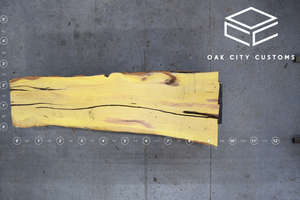 Osage3 in stock
-
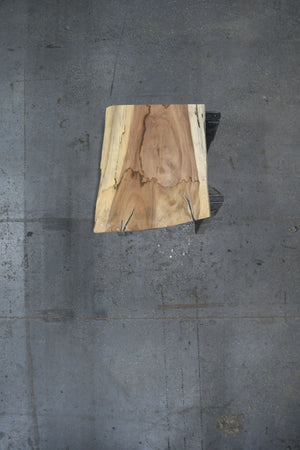 Parota4 in stock
-
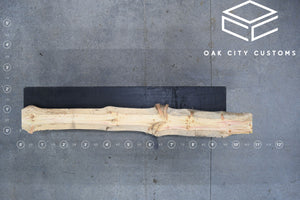 Pine1 in stock
-
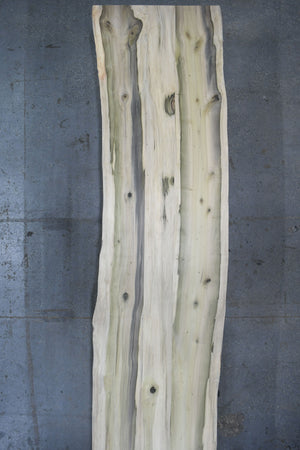 Poplar29 in stock
-
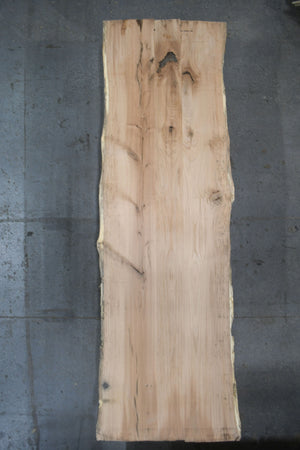 Red Oak74 in stock
-
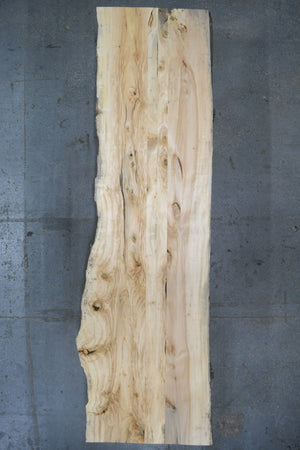 Rustic Hardwood1 in stock
-
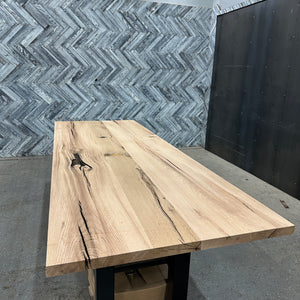 Rustic Oak3 in stock
-
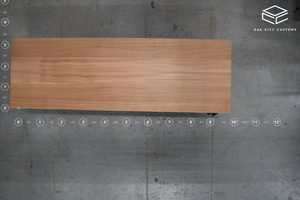 Sapele3 in stock
-
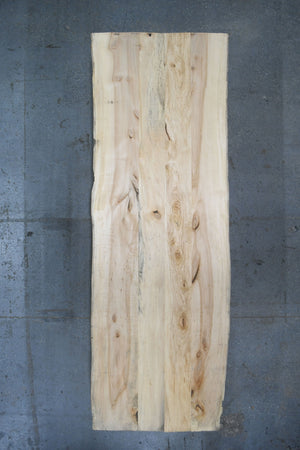 Soft Maple24 in stock
-
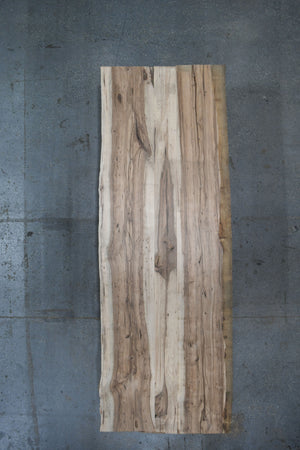 Sweet Gum7 in stock
-
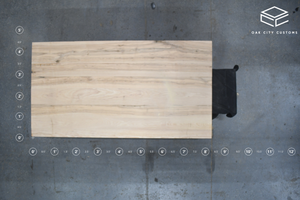 Sycamore12 in stock
-
 Teak2 in stock
-
 Walnut32 in stock
-
 White Oak145 in stock
