
Wood species
Basswood
Tilia americana · Malvaceae
The carver's wood, pale and even enough that it never fights the pattern cut into it. Linden in Europe, lime to the English, basswood in North America, and native across North Carolina.
- Janka hardness
- 410 lbf
- Density
- 26.0 lb/ft³
- Shrinkage T / R
- 9.3 / 6.6 %
- Origin
- Eastern North America
- IUCN Red List
- Least Concern

About Basswood
Working & finishing
Easy to work, being very soft and light, and among the most suitable species for hand carving. Glues and finishes well but has poor steam bending and poor nail holding, so fasten with screws into blocking or a glued sub-frame. The pale, even color takes paint and dye cleanly; a clear oil leaves it soft to the touch and quick to dent, so a film finish or paint is the usual choice.
Care
Treat it as a soft surface: use boards and trivets, wipe spills promptly, and expect dents under hard use. Indoor use only; the heartwood is non-durable. Once kiln dried it is stable in service, so seasonal movement is modest.
In stock now
Basswood slabs, tabletops & cookies
1 piece in stock at our shop in Zebulon, NC.


Other woods we stock
Browse by species
-
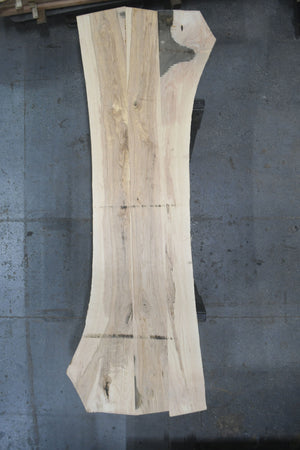 Ash15 in stock
-
 California Redwood4 in stock
-
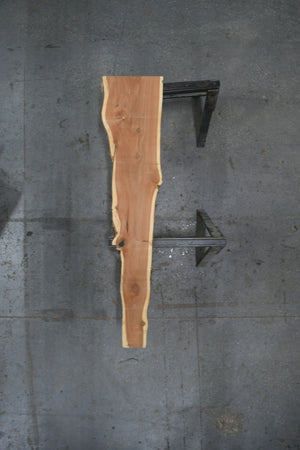 Cedar7 in stock
-
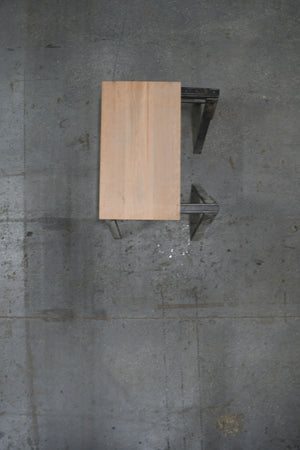 Cherry8 in stock
-
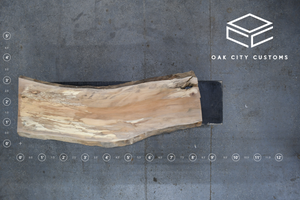 Copper Beech2 in stock
-
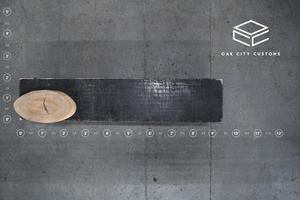 Cumaru1 in stock
-
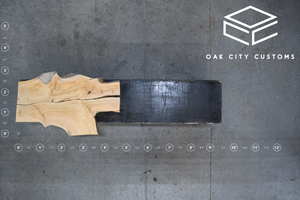 Cypress1 in stock
-
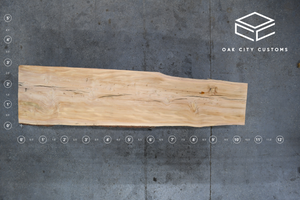 Deodar Cedar5 in stock
-
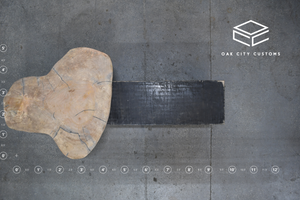 Espavel3 in stock
-
 Hard Maple10 in stock
-
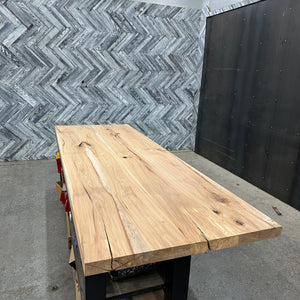 Hickory4 in stock
-
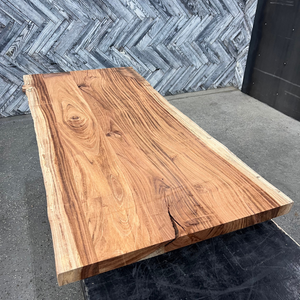 Jatoba (Brazilian Cherry)8 in stock
-
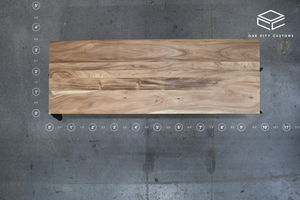 Monkey Pod3 in stock
-
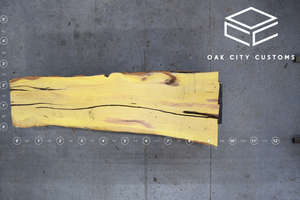 Osage3 in stock
-
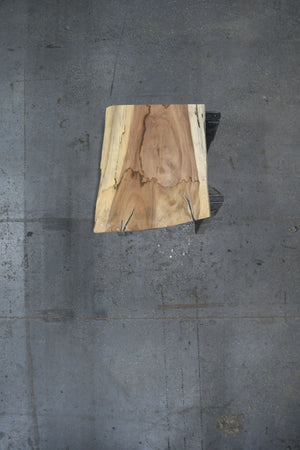 Parota4 in stock
-
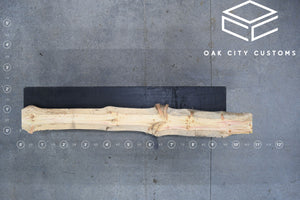 Pine1 in stock
-
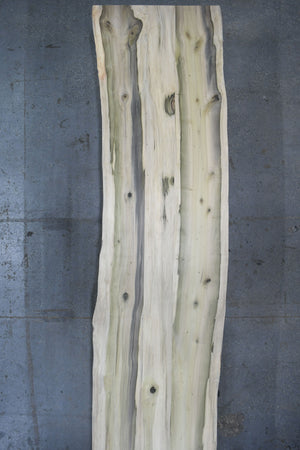 Poplar29 in stock
-
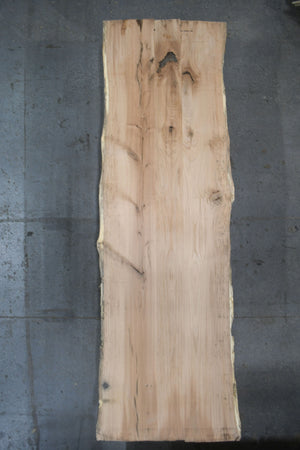 Red Oak74 in stock
-
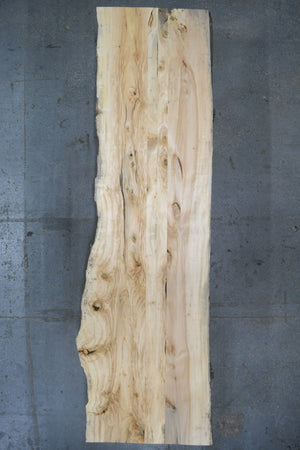 Rustic Hardwood1 in stock
-
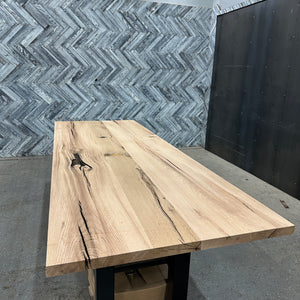 Rustic Oak3 in stock
-
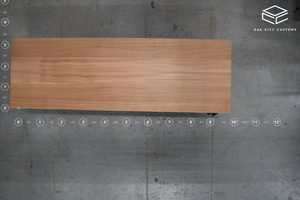 Sapele3 in stock
-
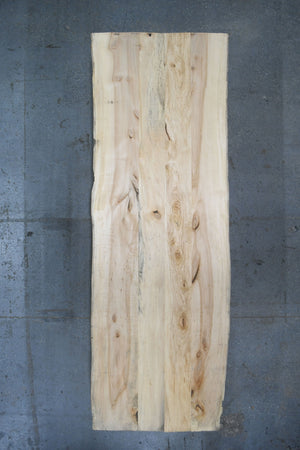 Soft Maple24 in stock
-
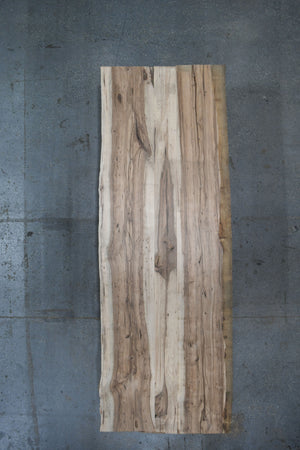 Sweet Gum7 in stock
-
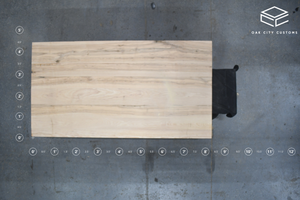 Sycamore12 in stock
-
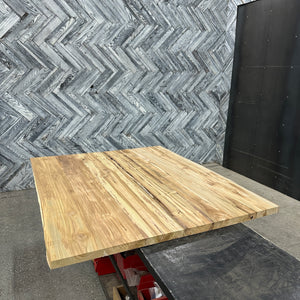 Teak2 in stock
-
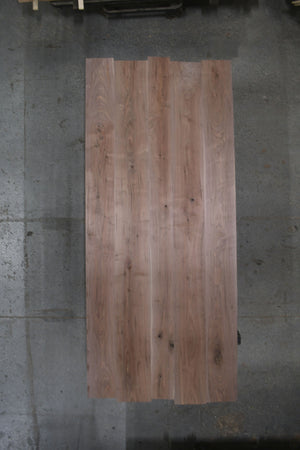 Walnut32 in stock
-
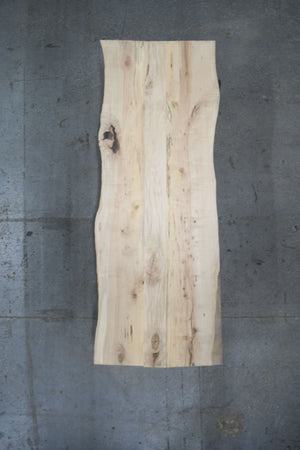 White Oak145 in stock
Mechanical properties reference: The Wood Database. Slab measurements, weights and prices come from our own shop records.